Philadelphia Ancient City
Entrance Fee
Free
Opening Hours
08:00 - 17:00
Best Time
All Years
Location
—
Located in modern-day Alasehir in western Turkey, Philadelphia Ancient City was one of the important cities of ancient Lydia and later became widely known as one of the Seven Churches of Revelation mentioned in the New Testament.
Although smaller than major ancient cities such as Ephesus, Smyrna, or Sardis, Philadelphia occupied an important strategic position connecting the inner regions of Anatolia with the Aegean coast. The city developed as a center of trade, early Christianity, viticulture, and regional communication throughout antiquity.
Today, the remains of ancient Philadelphia can still be seen within the modern town of Alasehir, offering visitors a quieter but historically meaningful archaeological and biblical destination in western Turkey.
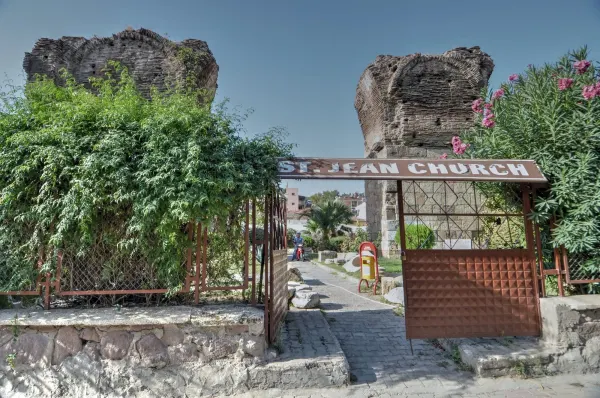
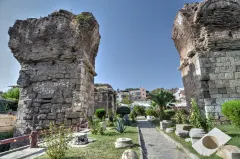
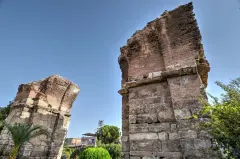
Photo Gallery
History
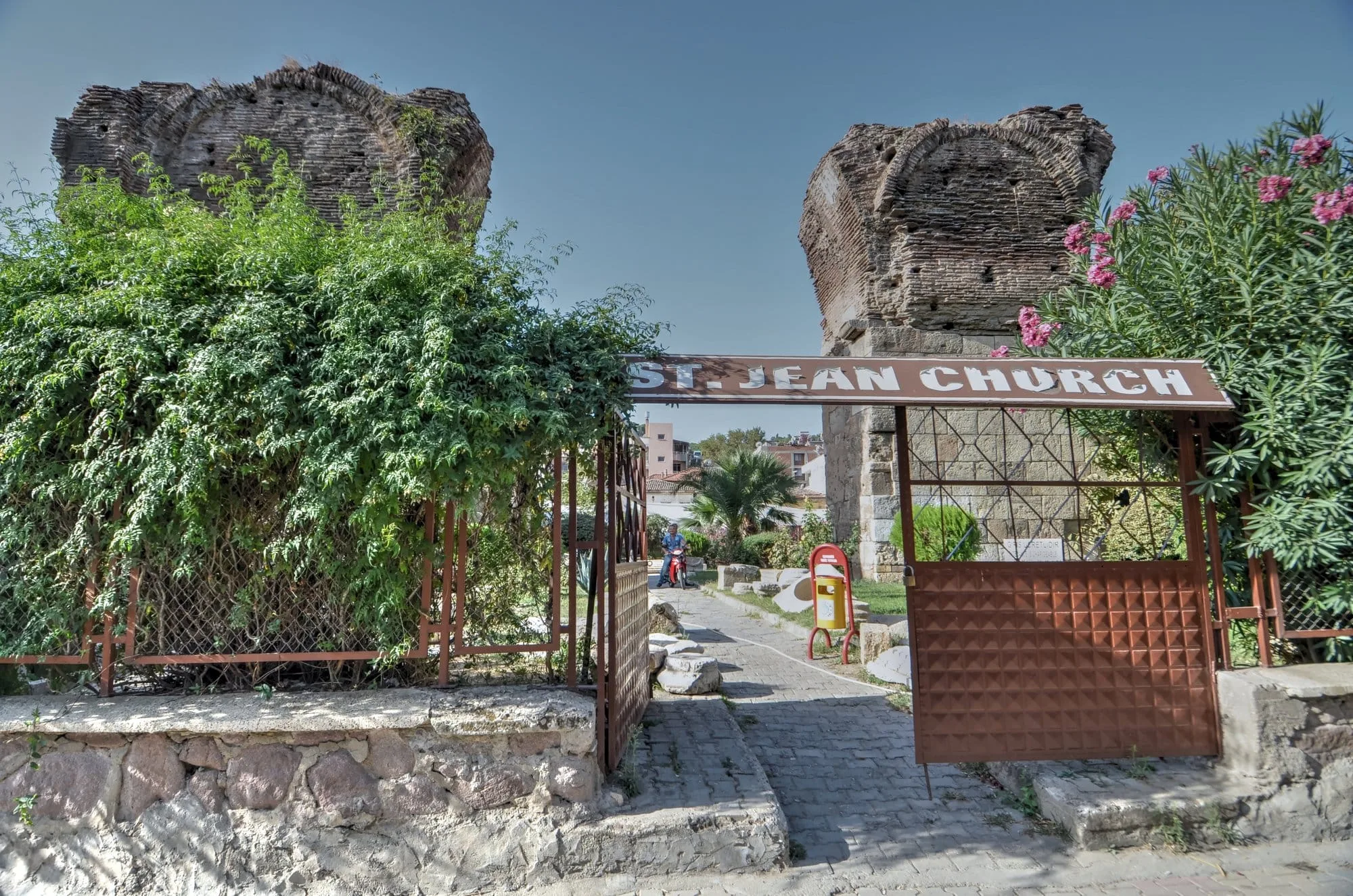 The remains of the Basilica of Saint John reflect the strong Christian heritage of ancient Philadelphia, one of the Seven Churches of Revelation.
Ancient City Walls
Fragments of fortifications and defensive walls connected to the Roman and Byzantine periods can still be seen throughout the modern city.
The remains of the Basilica of Saint John reflect the strong Christian heritage of ancient Philadelphia, one of the Seven Churches of Revelation.
Ancient City Walls
Fragments of fortifications and defensive walls connected to the Roman and Byzantine periods can still be seen throughout the modern city.
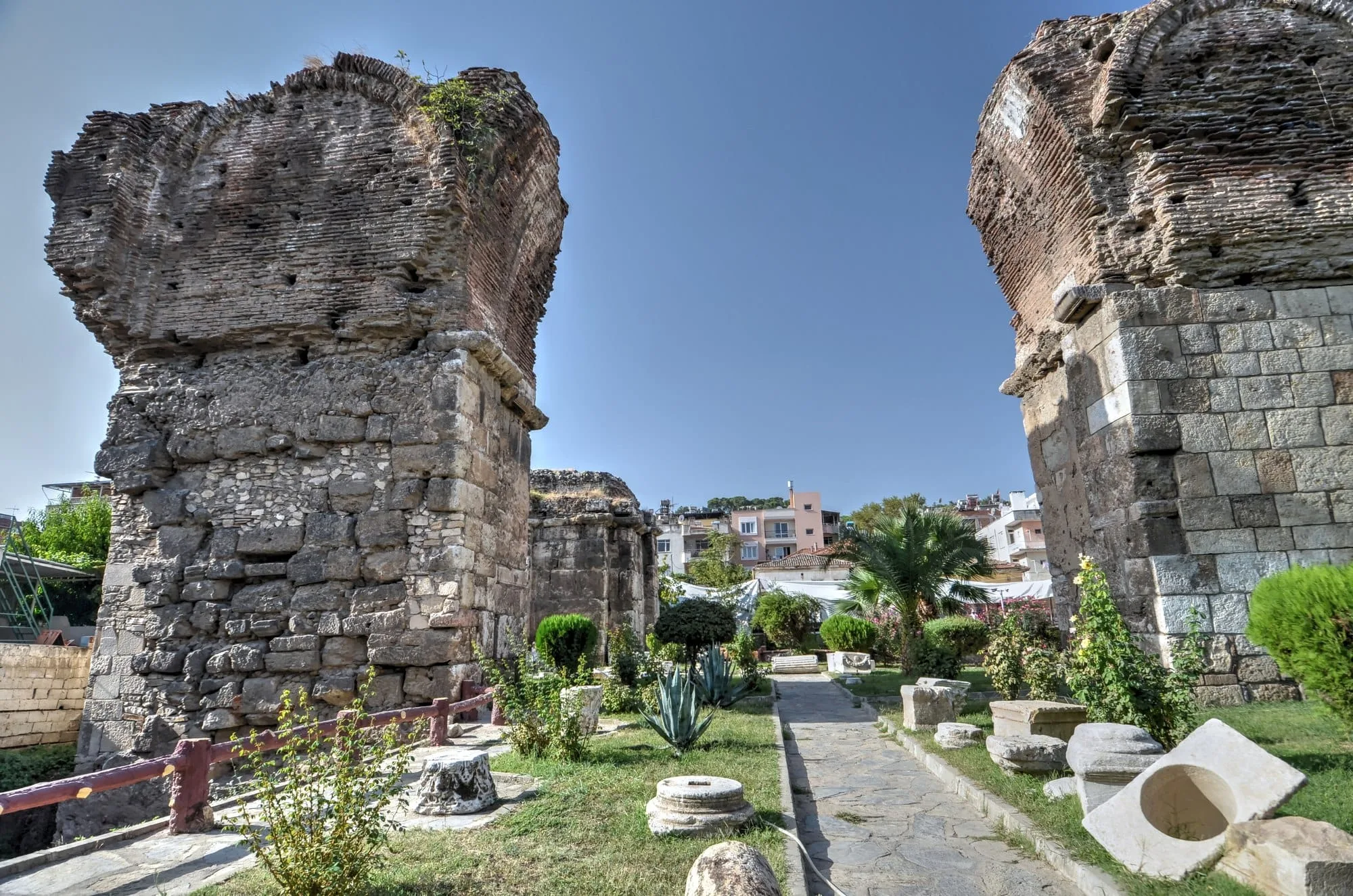 The surviving ancient city walls of Philadelphia reflect the city’s long Byzantine and early Christian history.
Historical Streets of Alasehir
Modern Alasehir still preserves traces of its long historical past, where Ottoman, Byzantine, and ancient layers continue to exist together.
Vineyards and Regional Landscape
The fertile lands surrounding Philadelphia have been associated with vineyards and wine production since antiquity and continue to shape the local identity today.
Why Visit Philadelphia Ancient City
Philadelphia offers a quieter and more spiritual atmosphere compared to larger archaeological sites such as Ephesus or Hierapolis.
The destination is especially recommended for travelers interested in:
-biblical history
-the Seven Churches of Revelation
-early Christianity
-Byzantine history
-lesser-known ancient cities
-cultural routes in western Turkey
Many travelers combine Philadelphia with nearby sites including Sardis, Thyatira, Smyrna, and Ephesus while following the Seven Churches itinerary across Anatolia.
The surviving ancient city walls of Philadelphia reflect the city’s long Byzantine and early Christian history.
Historical Streets of Alasehir
Modern Alasehir still preserves traces of its long historical past, where Ottoman, Byzantine, and ancient layers continue to exist together.
Vineyards and Regional Landscape
The fertile lands surrounding Philadelphia have been associated with vineyards and wine production since antiquity and continue to shape the local identity today.
Why Visit Philadelphia Ancient City
Philadelphia offers a quieter and more spiritual atmosphere compared to larger archaeological sites such as Ephesus or Hierapolis.
The destination is especially recommended for travelers interested in:
-biblical history
-the Seven Churches of Revelation
-early Christianity
-Byzantine history
-lesser-known ancient cities
-cultural routes in western Turkey
Many travelers combine Philadelphia with nearby sites including Sardis, Thyatira, Smyrna, and Ephesus while following the Seven Churches itinerary across Anatolia.